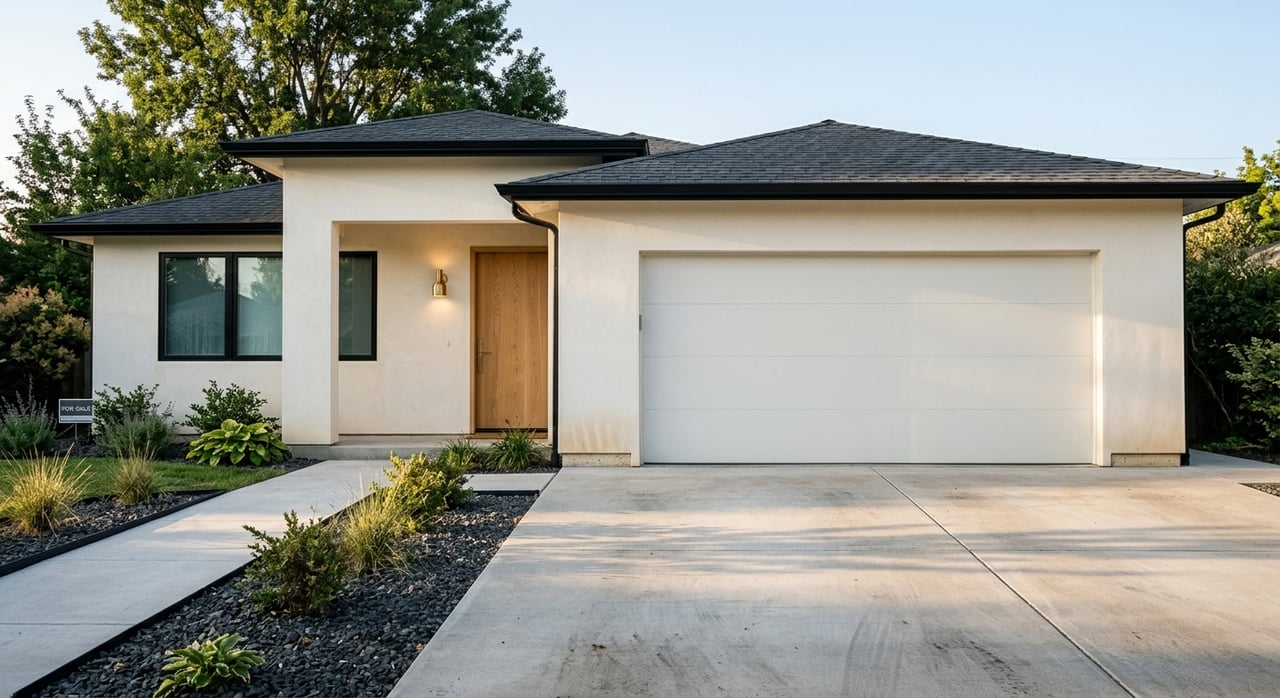
If your daily routine rises or falls on commute time, Davis deserves a serious look. You may be trying to balance work in Sacramento, time on the UC Davis campus, or a hybrid schedule that mixes driving, rail, biking, and bus connections. The good news is that Davis offers more than one way to get where you need to go, and that flexibility matters when you are choosing where to live. Let’s dive in.
Why Davis stands out for commuters
Davis is about 11 miles west of Sacramento and 72 miles northeast of San Francisco. That location makes it especially appealing if your work is tied to Sacramento or UC Davis, while Bay Area commuters usually need to think in terms of rail or hybrid schedules instead of a quick daily drive.
What makes Davis different is how many transportation options are layered into one small city. The City of Davis says the city has 63 miles of pathways, 102 miles of bike lanes, 25 grade-separated crossings, and 4,300 bike racks. In January 2026, Davis also renewed its Platinum-level Bicycle Friendly Community status for the sixth straight time.
Davis also has rail and bus connections that add flexibility to your routine. Davis station on Capitol Corridor is staffed daily from 6:00 a.m. to 4:00 p.m., connects with Unitrans and Yolobus, and sits on a 170-mile corridor serving 18 stations between Auburn and San Jose.
Best fit for Sacramento commuters
If you work in the Sacramento area, Davis is usually the easiest regional match. The city is close enough to make daily travel realistic, and you are not limited to one commute style.
Davis station lists Unitrans routes A, O, and Z to the Memorial Union and Alhambra Drive area, plus Yolobus routes 43, 43R, 44, 230, 231, and 232 to Sacramento. That gives you options if you want to combine biking, bus service, and rail access instead of relying only on your car.
For broader context, Census QuickFacts lists the mean travel time to work in Davis at 22.3 minutes. That figure is a citywide average, not a promise for any one employer or route, but it is still a useful benchmark when you compare Davis with other nearby cities.
Strongest fit for UC Davis routines
If you work, study, or spend a lot of time at UC Davis, Davis is the clearest lifestyle and commute fit. The transportation system in town lines up closely with how people move to and from campus.
UC Davis says bicycling is the number one mode of transportation on campus, with about 30,000 bikes on campus on any given weekday. The campus also has more than 22 miles of pathways, which supports the kind of short, bike-first routine many buyers want.
Unitrans is another big part of the picture. Roughly 90% of Unitrans riders are headed to the UC Davis campus, which helps explain why many downtown routes are centered around campus terminals.
Bay Area commuting takes more planning
Davis can work for Bay Area jobs, but it is important to frame it correctly. This is not the same kind of commute story as Sacramento or UC Davis.
Because Davis is 72 miles northeast of San Francisco, a Bay Area work routine is a much longer regional trip. Capitol Corridor positions its service as a convenient alternative to congested I-80, I-680, and I-880 freeway travel, so buyers with hybrid schedules may find that rail access is the real advantage.
In practical terms, Davis makes more sense as a rail-friendly or hybrid home base for Bay Area workers than as a short-drive suburb. If your job requires daily in-person travel deep into the Bay Area, you will want to weigh that time commitment carefully.
What commuting feels like in Davis
Davis is not just about distance on a map. It is about how easily you can move through your day once you are home.
The city released a refreshed bike map in 2025 and is updating its 2024 to 2031 Short Range Transit Plan. Those details matter because they show ongoing attention to the local transportation network, not just a past reputation.
For many buyers, that means your commute may be less about one long freeway stretch and more about a flexible chain of shorter connections. You might bike to the station, catch transit to work, or use a bus route that ties directly into your campus or downtown destination.
Davis areas commuters often consider
When you are comparing homes in Davis, it helps to use the city’s own planning framework. City materials group Davis into five regions: West, East, North, South, and Central Davis.
That structure gives you a neutral, practical way to think about location and commute convenience. Instead of chasing unofficial labels, you can focus on how close you want to be to downtown, campus routes, or transportation connections.
Central Davis and downtown access
For buyers who want the most compact and connected part of town, Central Davis often gets the first look. City planning documents describe Old North as a residential district northwest of downtown, while the North-West Downtown area is described as a walkable neighborhood with medium-scale buildings and housing types ranging from ADUs to multiplexes.
If your goal is to simplify daily movement, this central core is usually the most commute-focused part of Davis. It puts you closer to downtown services, campus-oriented transit, and a more mixed-use layout.
East Davis and practical value
East Davis can also be a strong option for commute-minded buyers. The City says the Davis Manor and N Street area east of downtown has traditionally been one of the more affordable neighborhoods in Davis and includes co-housing and other community-oriented uses.
For buyers trying to stay in Davis while watching budget closely, east-of-downtown areas may deserve a closer look. The tradeoff can be appealing if you want access to Davis transportation benefits without starting in the most central pocket.
West Davis and lifestyle priorities
West Davis may fit a different kind of buyer. City materials note that the West Davis Active Adult Community is designed as a senior and active-adult neighborhood and includes 2.6 miles of walking and bike paths around and through the project.
That makes it a more lifestyle-specific option, especially for buyers looking to downsize or prioritize an age-restricted setting. For pure commute-first decision-making, many buyers will still start their search in central or east-of-downtown areas.
Davis versus Dixon and Woodland
Davis is often the most commute-convenient choice of the three, but it is also typically the most expensive. Census QuickFacts puts the 2020 to 2024 median value of owner-occupied housing units at $866,100 in Davis, compared with $604,800 in Dixon and $548,200 in Woodland.
That price gap is important because your best commute option is not always your best overall housing fit. Sometimes the right answer is paying more for a smoother routine. Other times, it is choosing a nearby city and accepting a more freeway-oriented pattern to gain price flexibility.
| City | Median owner-occupied home value | Mean travel time to work | Commute style |
|---|---|---|---|
| Davis | $866,100 | 22.3 minutes | Best for biking, transit, rail, and UC Davis access |
| Dixon | $604,800 | 26.7 minutes | More freeway-oriented with intercity transit options |
| Woodland | $548,200 | 23.8 minutes | Middle-ground mix of roads, bike lanes, and Yolobus access |
Dixon’s intercity transportation page points to Route 30 service between Dixon, UC Davis, Sacramento, Vacaville, and Fairfield, plus a free park-and-ride lot with bike racks and Readi-Ride dial-a-ride service inside Dixon. Woodland highlights its location at Interstate 5 and State Route 113, along with a 16.6-mile Woodland Bike Loop, 71 miles of bike lanes, and Yolobus connections with Davis and Sacramento.
If your top priority is a bike- and transit-rich routine, Davis usually leads the conversation. If your top priority is lowering the purchase price, Dixon and Woodland may be worth a closer comparison.
How to decide if Davis is right for you
The simplest way to think about Davis is this: it works best when your destination and your lifestyle both match what the city does well. That usually means UC Davis access, Sacramento commuting, or a routine where biking and transit are real everyday tools.
Davis may be the right home base if you want:
- Easy access to UC Davis
- A shorter regional link to Sacramento
- A bike-friendly daily routine
- Rail and bus options beyond driving alone
- A compact, connected feel near central areas
Davis may be harder to justify if you want:
- The lowest purchase price among nearby cities
- A simple, quick daily drive to the Bay Area
- A commute strategy built mostly around freeway convenience
The real question to ask
The question is not just whether Davis is a good city. It is whether Davis fits the way you actually move through the week.
If you are commuting to UC Davis or Sacramento and want transportation options beyond your car, Davis is one of the strongest home bases in the region. If price is your main pressure point, or your job is much deeper into the Bay Area, it makes sense to compare Davis with Dixon and Woodland before you make a move.
If you want help weighing commute convenience against price, home style, and resale potential, JohnsonGroupCA can help you sort through the options and build a plan that fits your goals.
FAQs
Is Davis, California a good place to live if you commute to Sacramento?
- Yes. Davis is about 11 miles west of Sacramento and offers multiple commute options, including driving, Yolobus, Unitrans connections, and Capitol Corridor access.
Is Davis the best home base for UC Davis employees and students?
- In many cases, yes. UC Davis says biking is the top transportation mode on campus, and Davis is built to support bike and transit access to campus.
Is Davis realistic for a Bay Area commute?
- It can be, but usually as a rail or hybrid setup rather than a short daily drive. Davis is 72 miles northeast of San Francisco, so the trip is much longer than a Sacramento commute.
Which parts of Davis are most convenient for commuters?
- Many commute-focused buyers start with Central Davis and east-of-downtown areas because they are closer to downtown, campus-oriented routes, and mixed-use parts of town.
Is Davis more expensive than Dixon or Woodland for homebuyers?
- Yes. Census QuickFacts lists Davis at $866,100 for median owner-occupied home value, compared with $604,800 in Dixon and $548,200 in Woodland.
What makes Davis different from other nearby cities for commuting?
- Davis stands out for its transportation mix, including 63 miles of pathways, 102 miles of bike lanes, grade-separated crossings, bike parking, transit links, and Capitol Corridor rail service.