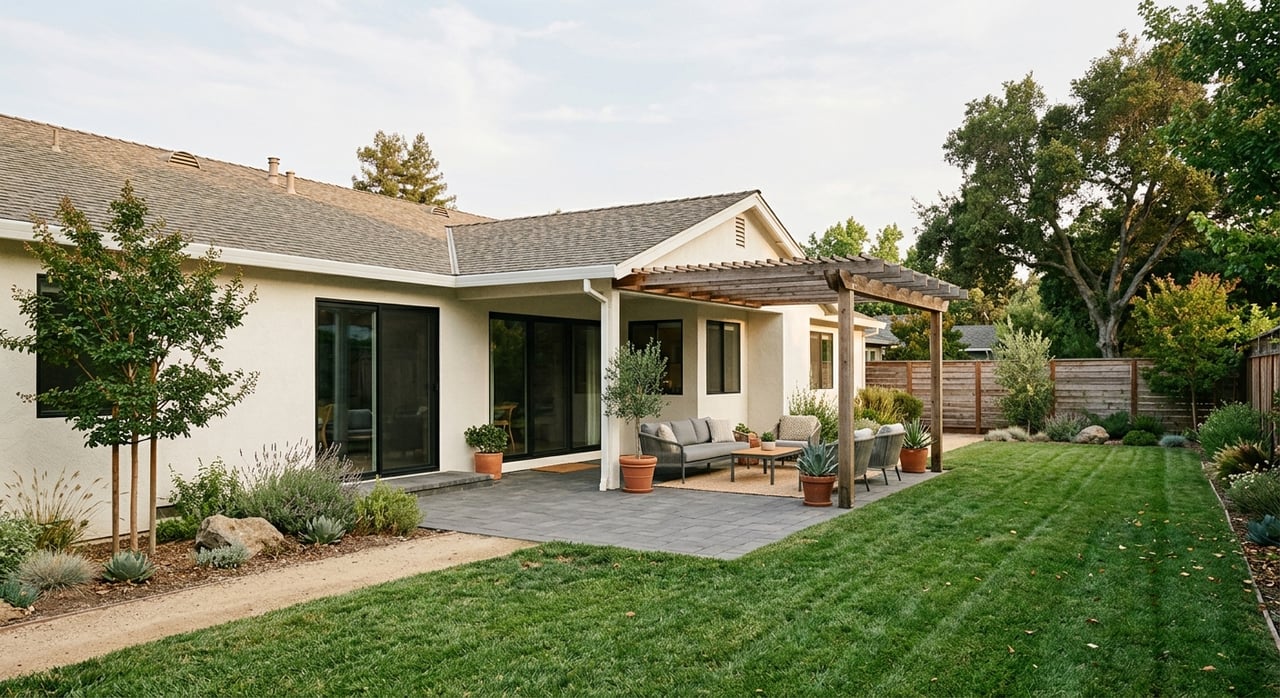
If Woodland keeps showing up in your Greater Sacramento home search, there is a good reason. It sits in a practical middle position: closer to a traditional detached-home market than Davis, less urban in feel than Sacramento, and still tied into the region through major commute routes. If you are trying to balance price, space, and access, Woodland deserves a closer look. Let’s dive in.
Why Woodland Stands Out
Woodland is in Yolo County, about 20 miles northwest of Sacramento, at the junction of Interstate 5 and State Route 113. According to the City of Woodland, that location puts it between Davis to the south and Sacramento International Airport to the east.
That matters because Woodland is not just a place on the map. It functions as a bridge city within the broader Sacramento and Yolo County search area. If you are comparing options across Davis, Sacramento, and nearby communities, Woodland often lands in the sweet spot for buyers who want balance instead of either extreme.
Woodland in Regional Context
A lot of buyers start with a broad search, then narrow down based on what daily life might actually feel like. Woodland fits best when you want access to Sacramento and Yolo County but prefer a setting that feels less compact than Davis and less urban than Sacramento.
That middle-ground role is one of Woodland’s biggest strengths. You are not looking at a standalone satellite city with weak ties to the region. You are looking at a community connected by major roads, intercity transit, and a housing profile that serves many buyers searching for more breathing room.
Compared With Davis
Davis has a more compact development pattern and a wider mix of housing types. Its planning documents emphasize clustered development, infill, and a mix that includes single-family homes, split lots, and multi-family housing. Newer Davis projects can also include smaller lot sizes, with Chiles Ranch project materials showing lots ranging from 2,000 to 5,000 square feet.
Davis also has a strong bike-oriented identity. The city notes more than 50 miles of bike paths and a long-established bicycle-focused culture, which reinforces its compact feel. If that is what you want, Davis may stay on your list. If you want a more traditional detached-home pattern, Woodland may feel more aligned.
Compared With Sacramento
Sacramento offers a broader housing menu and a more urban overall pattern. The city supports more housing types through policies that encourage options like duplexes, fourplexes, cottage courts, and small apartment buildings in areas historically centered on single-unit housing, according to the City of Sacramento housing development guidance.
That does not mean Sacramento cannot feel suburban in many areas. It can. But on a citywide level, its housing mix is broader than Woodland’s, which can make Woodland feel more consistent if you are focused on detached homes and a less urban setting.
What Woodland Housing Feels Like
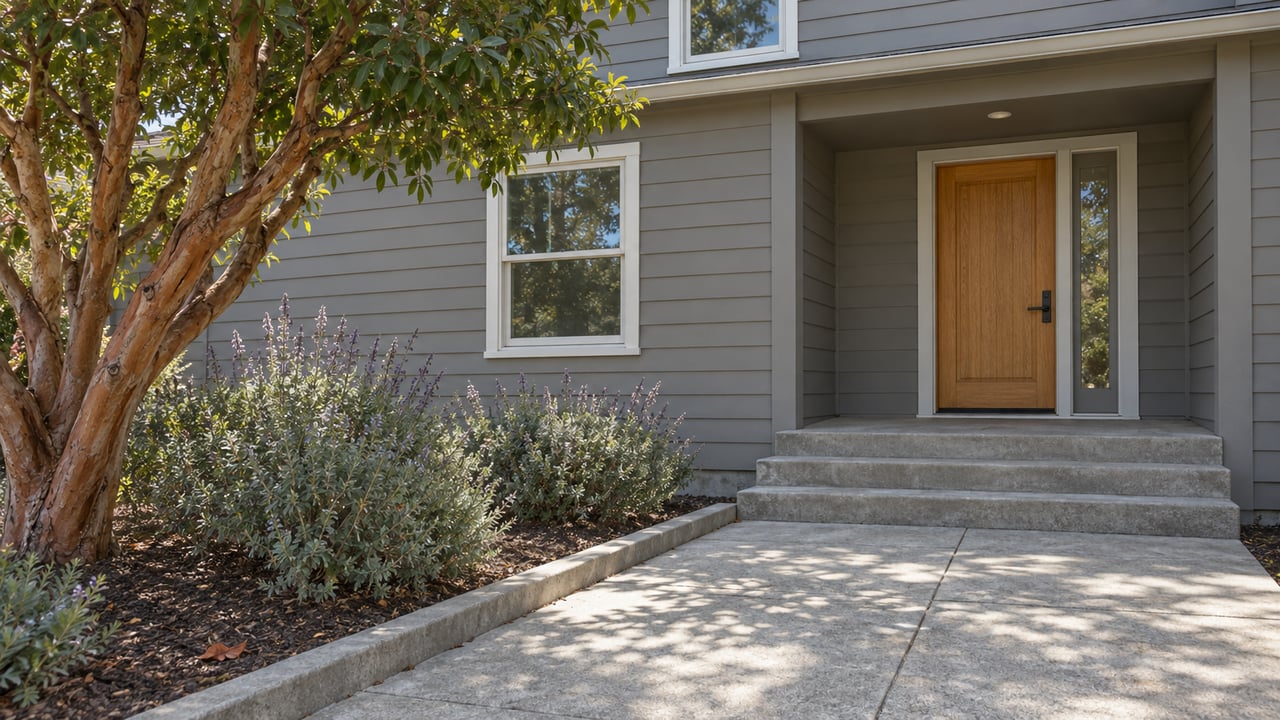
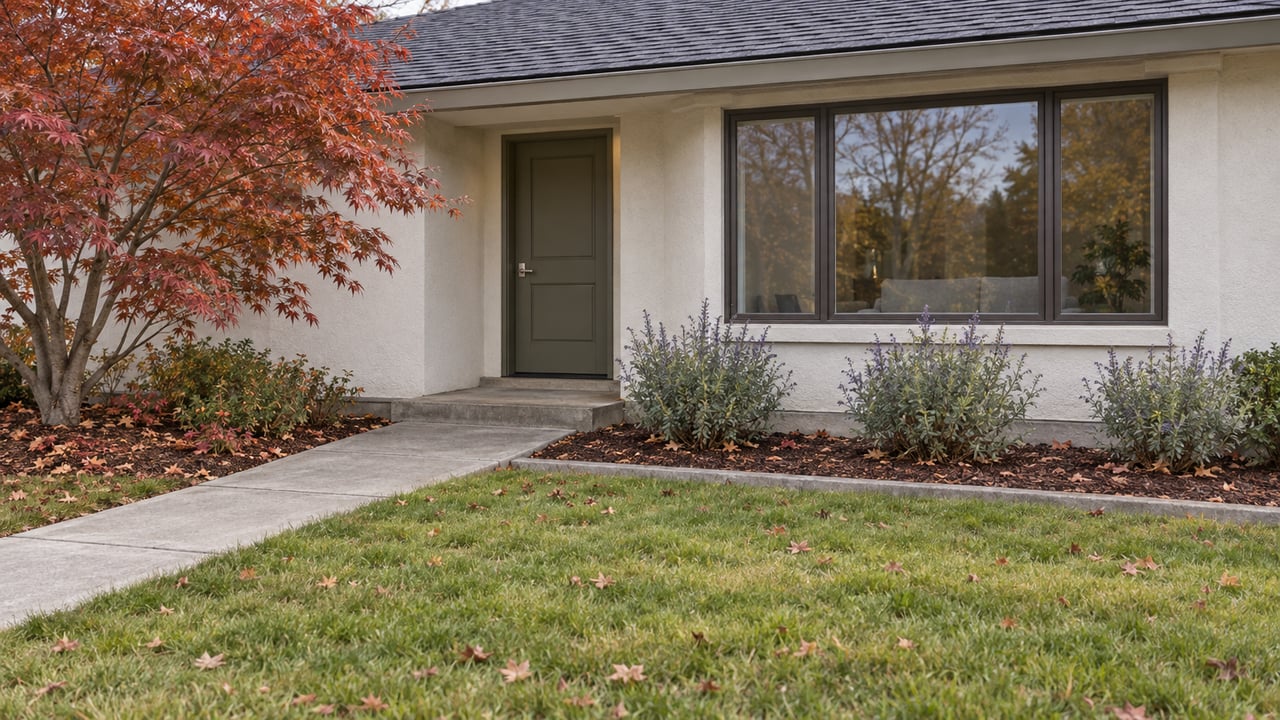
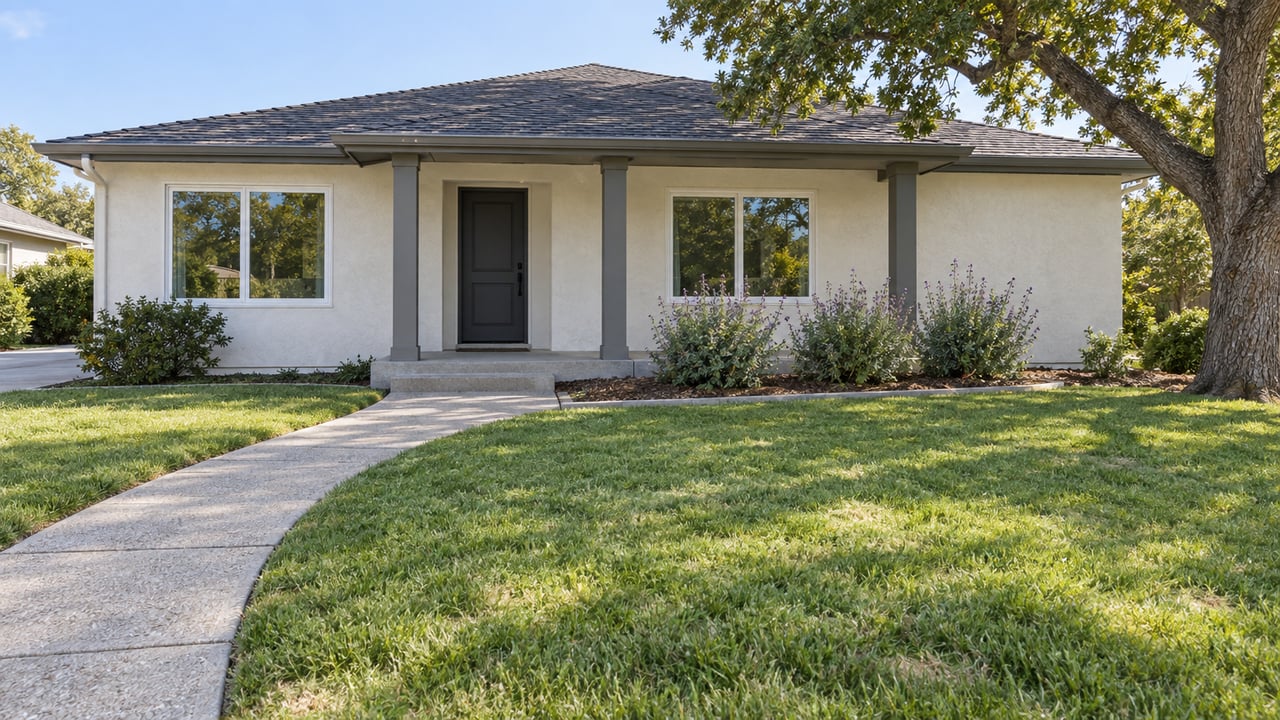
Woodland’s housing profile is one of the clearest reasons it fits into a Greater Sacramento home search so well. The city’s General Plan describes housing types that range from larger-lot to small-lot single-family homes, with low-density residential areas primarily accommodating detached homes on individual lots with private yards and private parking.
Current zoning standards in Woodland show minimum lot areas of 5,000 square feet for interior single-family lots and 6,000 square feet for corner lots, based on the City of Woodland General Plan and zoning references. In plain terms, Woodland reads as a mostly traditional detached-home market, but not a one-size-fits-all large-lot city.
That distinction helps. If you are searching for a home that feels more conventional in layout and neighborhood form, Woodland often offers that experience without pushing as far out as some buyers expect.
Density and Day-to-Day Feel
Density does not tell you everything about a place, but it does help explain how it feels. Census QuickFacts for Woodland show 3,985.1 people per square mile in 2020, compared with 6,703.8 in Davis and 5,323.4 in Sacramento.
That lower density supports what many buyers notice in person. Woodland tends to feel more open and less compact than Davis, and less dense than Sacramento overall. If you want a search area that still connects to regional job centers without feeling as built-up, Woodland may check that box.
How Woodland Fits the Budget Conversation
For many buyers, the budget conversation is where Woodland becomes especially compelling. The same Census QuickFacts data show a median owner-occupied home value of $548,200 in Woodland, compared with $866,100 in Davis and $506,300 in Sacramento.
That means Woodland is dramatically less expensive than Davis on median home value, while sitting only modestly above Sacramento. Median monthly owner costs with a mortgage follow a similar pattern: $2,540 in Woodland, $3,350 in Davis, and $2,380 in Sacramento.
Rental costs also help frame the market. Median gross rent is $1,583 in Woodland, compared with $2,187 in Davis and $1,779 in Sacramento. While these are not live listing prices, they are useful directional comparisons when you are trying to understand where Woodland lands in the regional value equation.
Price-to-Space Value
This is where Woodland often makes the most sense. If Davis feels too expensive for the type of home and lot size you want, but you are not looking for a more urban Sacramento housing mix, Woodland can offer a practical middle path.
Median household incomes in Woodland and Davis are relatively close at about $90,000, while Sacramento is slightly lower at $87,321, according to the same Census source. That makes Woodland’s lower housing costs relative to Davis more meaningful. The gap is not mainly about income. It is more about housing form, density, and demand.
Commute Access and Regional Mobility
Location only works if the daily logistics make sense for you. Woodland’s commute identity is closely tied to I-5 and SR 113, and the city notes that the current I-5/SR 113 freeway connector project is designed to improve movement between those routes.
For drivers, that road network is a major part of Woodland’s appeal. If your work, travel, or family routines line up with those corridors, Woodland can be a practical base.
Transit is available, but it is best viewed as support rather than full all-day commute service. YoloBus Route 45 offers a Woodland-to-downtown Sacramento express with one morning trip and one evening trip on weekdays, and intercity routes connect Woodland with Davis, West Sacramento, Sacramento International Airport, and downtown Sacramento.
That means transit can be useful, especially as a backup or for selected schedules. But if you need frequent all-day service, you will want to evaluate your routine carefully. Woodland is workable for some Sacramento commuters, though its strongest fit is often for buyers who primarily drive or who have flexible schedules.
Who Woodland Usually Fits Best
Woodland tends to make the most sense for buyers who want:
- A more traditional detached-home market
- A less dense setting than Davis
- Better price-to-space value than they are likely to find in Davis
- Access to Sacramento without fully buying into a broader urban housing mix
- A community with an established small-city identity
The city’s historic downtown and agricultural setting add to that identity, according to the City of Woodland overview. For some buyers, that established feel matters just as much as square footage or commute times.
Signs Woodland Should Be on Your List
If you are still narrowing your options, here are a few signs Woodland may deserve serious attention:
- You keep comparing Davis prices and wondering if there is a more value-oriented alternative nearby.
- You want Sacramento access but do not need to live in Sacramento itself.
- You prefer detached homes, private yards, and a more conventional neighborhood pattern.
- You want a city that feels connected to the region without feeling as dense or compact.
In many searches, Woodland is not the flashiest option. It is the practical option that starts to make more sense the deeper you get into real numbers, commute patterns, and housing preferences.
Why the Middle Ground Matters
A successful home search is rarely about finding the biggest house or the lowest price in isolation. It is about finding the best overall fit for your budget, routine, and long-term goals.
That is exactly where Woodland stands out. It offers a middle-ground position in the Greater Sacramento-Yolo search: more conventional and often more value-oriented than Davis, less urban and less dense than Sacramento, and well placed for buyers who want balance. If you are weighing where to focus your search, Woodland is worth a serious look.
If you want help comparing Woodland with nearby options and narrowing down what fits your goals, connect with JohnsonGroupCA. You will get direct, experienced guidance built around your timeline, budget, and the kind of day-to-day living you actually want.
FAQs
How does Woodland compare with Davis for homebuyers?
- Woodland generally offers a more traditional detached-home market and lower housing costs than Davis, while Davis tends to be more compact and higher priced.
How does Woodland compare with Sacramento in a home search?
- Woodland is generally less dense and less urban in overall housing form than Sacramento, while still offering regional access through I-5, SR 113, and select YoloBus connections.
Is Woodland a good option for Sacramento commuters?
- Woodland can work well for some Sacramento commuters, especially if your routine lines up with I-5 and SR 113 or if limited YoloBus express and intercity service fits your schedule.
What type of housing is most common in Woodland?
- Woodland is best described as a mostly traditional detached-home market with single-family homes on individual lots, private yards, and private parking.
Is Woodland more affordable than Davis?
- Based on Census QuickFacts comparisons in the research, Woodland is significantly less expensive than Davis on median home value, monthly owner costs, and median rent.
Why do buyers include Woodland in a Greater Sacramento search?
- Buyers often include Woodland because it offers a middle-ground option with a less dense setting than Davis, a less urban feel than Sacramento, and a strong price-to-space balance.