Selling your home in Fairfield can feel like a lot to manage, especially when you are trying to price it right, prepare it well, and avoid surprises once offers come in. The good news is that a strong sale usually follows a clear process, not guesswork. If you want to protect your time, your equity, and your timeline, this step-by-step plan will show you what matters most and what to do first. Let’s dive in.
Start With Fairfield Market Reality
Before you make repairs or talk about list price, you need a realistic view of the Fairfield market. Recent data points vary by source, but they point to the same conclusion: pricing and presentation still matter.
Redfin’s Fairfield market data reported a February 2026 median sale price of $570,000, about 48 days to sell, and an average of 2 offers per home. Zillow’s Fairfield housing data reported a March 31, 2026 median sale price of $545,833, 202 active listings, a 1.000 median sale-to-list ratio, and 28 days to pending. Since these sources use different data sets and timelines, treat them as directional benchmarks rather than one exact number.
The bigger takeaway is that Fairfield is not one flat market. Zillow neighborhood estimates show a wide value range, from about $479,925 in Richardson Park to about $785,536 in Hiddenbrooke. That is why your pricing plan should be based on nearby comparable sales, not just a citywide average.
Step 1: Build Your Selling Strategy
A smart sale starts with a plan for timing, pricing, preparation, and paperwork. If you skip this step, you are more likely to run into delays or leave money on the table.
Your early strategy should answer a few basic questions:
- What is your ideal timeline to list and close?
- What condition issues need attention before launch?
- What documents should be gathered now?
- How should your home be priced based on nearby comps?
- What level of prep will likely improve your net result?
For many Fairfield sellers, this is where full-service support makes a real difference. JohnsonGroupCA is known for a practical, seller-focused approach, including coordination of home prep, vendor management, and renovation planning when needed to improve market readiness.
Step 2: Review Condition Early
Once you have a strategy, take a close look at your home’s condition. California disclosure rules make this more than a cosmetic exercise.
For most one-to-four unit residential sales, California requires a Real Estate Transfer Disclosure Statement. The California Department of Real Estate explains that listing and selling agents must inspect the property and disclose material facts that affect value or desirability, which makes an early condition review essential. You can read more in the California DRE professional responsibility guidance.
This is the stage to identify obvious deferred maintenance, known defects, older systems, water intrusion history, or past repair issues. Catching these items early gives you time to decide whether to repair, document, or disclose them before your home hits the market.
Step 3: Gather Disclosures and Documents
Paperwork can slow a sale down just as fast as pricing mistakes. That is why strong sellers collect disclosures and supporting documents before listing.
California sellers have several disclosure duties that matter in 2026. Under California Civil Code disclosure requirements, sellers must provide an advisory recommending inspection of electrical systems and wiring. Sellers of single-family homes must also disclose known state or local restrictions on future replacement of gas-powered appliances when those appliances are included with the property.
If your home was built before 1978, federal lead-based paint rules also apply. The California Department of Public Health summary of lead disclosure rules says sellers must disclose known lead-based paint hazards, provide the EPA pamphlet, give buyers a 10-day opportunity to inspect or test unless changed in writing, and keep signed copies for three years.
Recent renovations matter too. California requires disclosure of certain contractor-performed additions, structural changes, alterations, or repairs made within 18 months of title transfer to the seller, along with contractor contact details and permits when available.
A practical seller document checklist often includes:
- Prior inspection reports, if available
- Repair invoices and warranties
- Contractor names and contact information
- Permit records, if available
- Mortgage payoff information
- Fire insurance information
- Trust documents, if applicable
- HOA or property management contact details, if applicable
The DRE escrow brochure recommends gathering many of these items early. This helps keep your listing launch cleaner and gives escrow fewer loose ends later.
Step 4: Confirm Hazard and Property-Specific Disclosures
Some homes also require additional location-based disclosures. California’s Natural Hazard Disclosure framework covers items like earthquake fault zones, seismic hazard zones, high or very high fire hazard severity zones, and flood areas.
You can review the statutory framework in California Civil Code Section 1103.2. For sellers in Fairfield, this is an important reminder that disclosures are not one-size-fits-all. Your property’s parcel, maps, and reports may affect what needs to be provided.
Step 5: Decide What to Repair Before Listing
Not every project makes sense before you sell, but visible issues usually deserve attention. In a market where buyers still have options, homes that look clean, cared for, and move-in ready often make a stronger first impression.
Focus first on repairs that are easy for buyers to notice. Think peeling paint, damaged flooring, stained walls, broken fixtures, old caulking, and obvious maintenance problems. Even small updates can help your home feel better maintained and more market-ready.
For sellers with larger prep needs, this is where having access to coordinated renovation support can be valuable. JohnsonGroupCA’s brand focus includes helping sellers manage prep work and renovations designed to improve the home’s presentation and overall net outcome.
Step 6: Declutter, Stage, and Photograph
Presentation matters in Fairfield. Market data suggests homes are moving, but not so fast that you can ignore how your property looks online and in person.
According to the National Association of Realtors 2025 staging findings, 29% of agents said staging increased the dollar value offered by 1% to 10%, and 49% said staging reduced time on market. In the NAR 2023 staging report, 77% of buyers’ agents said photos were much or more important, and 74% said videos were much or more important for listings.
If your time or budget is limited, prioritize the rooms buyers notice most. NAR reported that the living room, primary bedroom, and kitchen were the most important rooms to stage.
A strong pre-listing presentation plan often includes:
- Removing clutter and personal items
- Deep cleaning the home
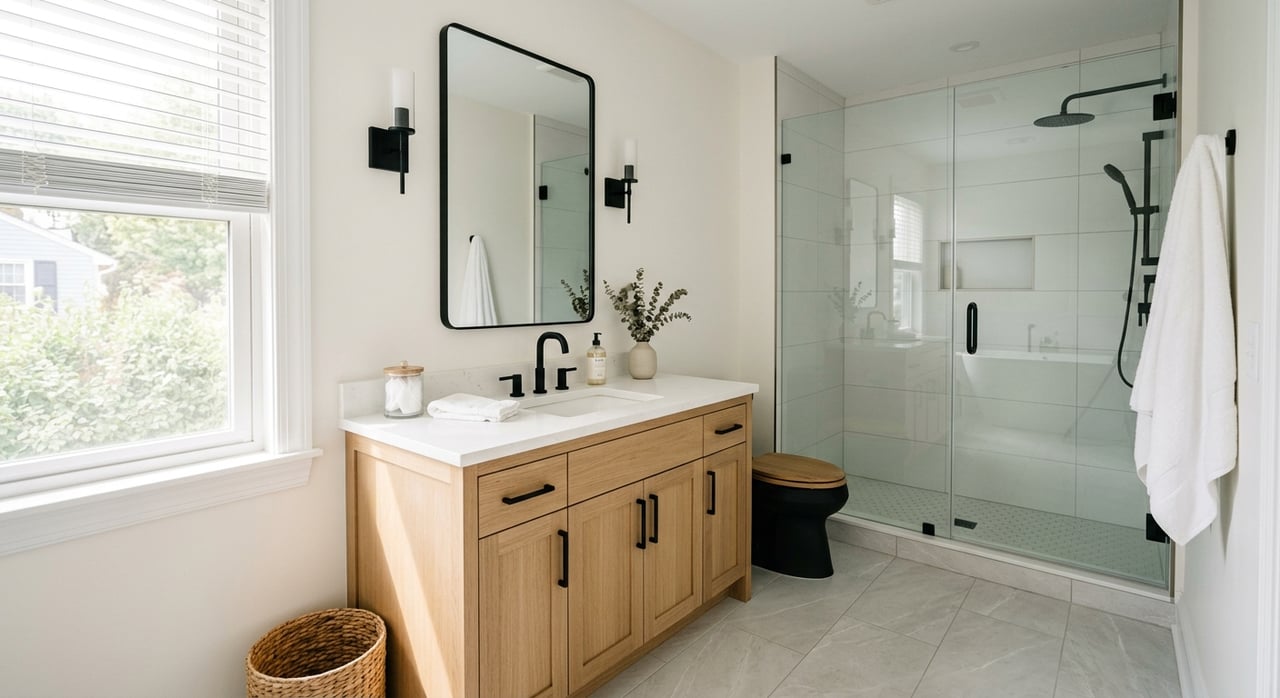
- Brightening key spaces with light, neutral presentation
- Touching up paint and surfaces
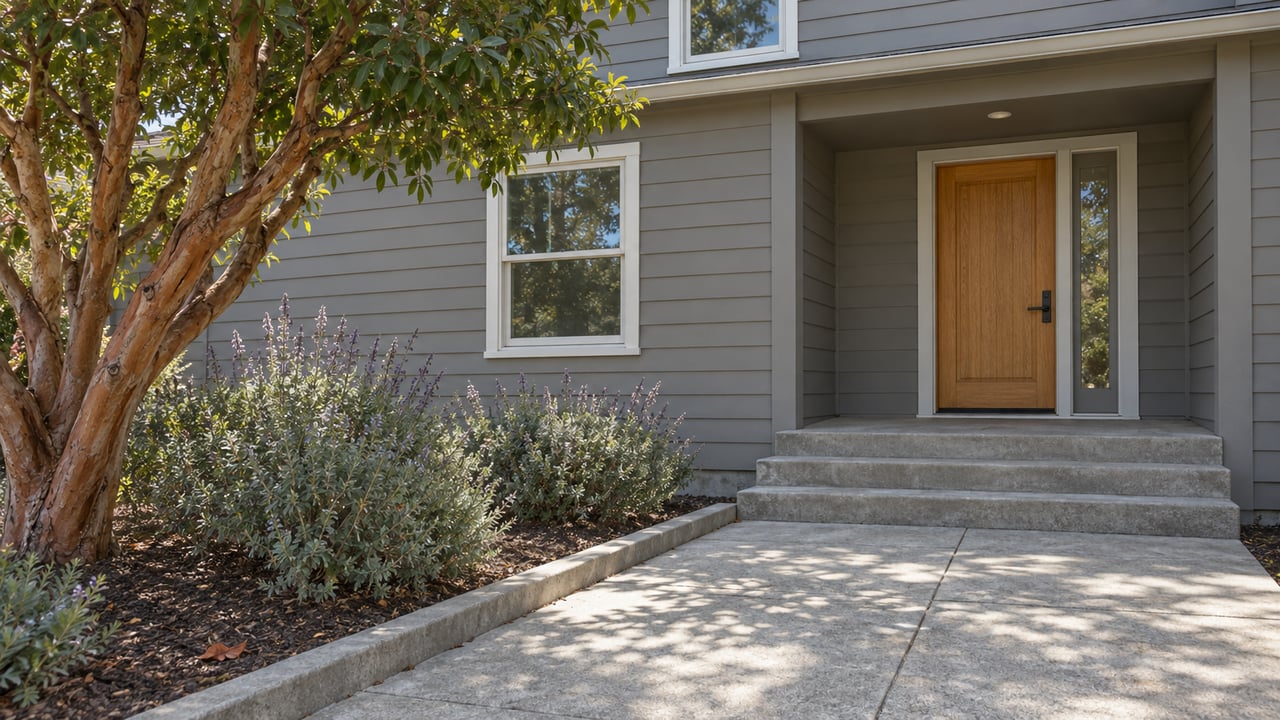
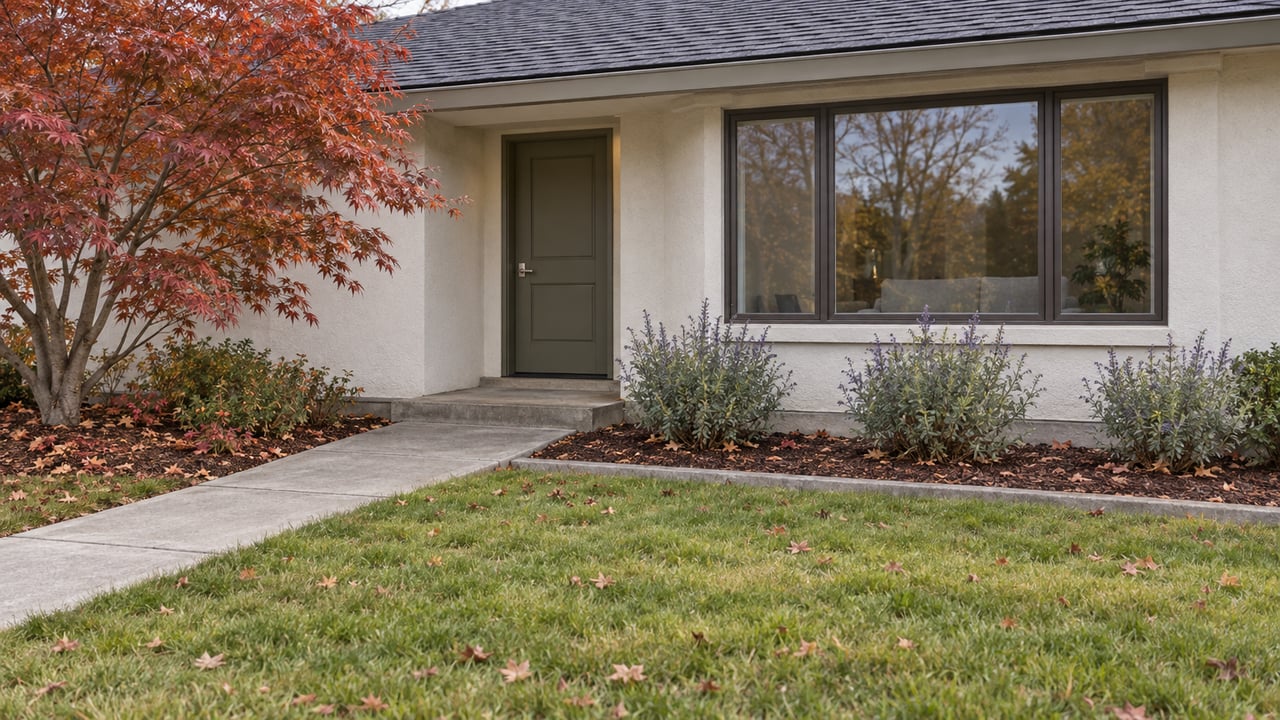
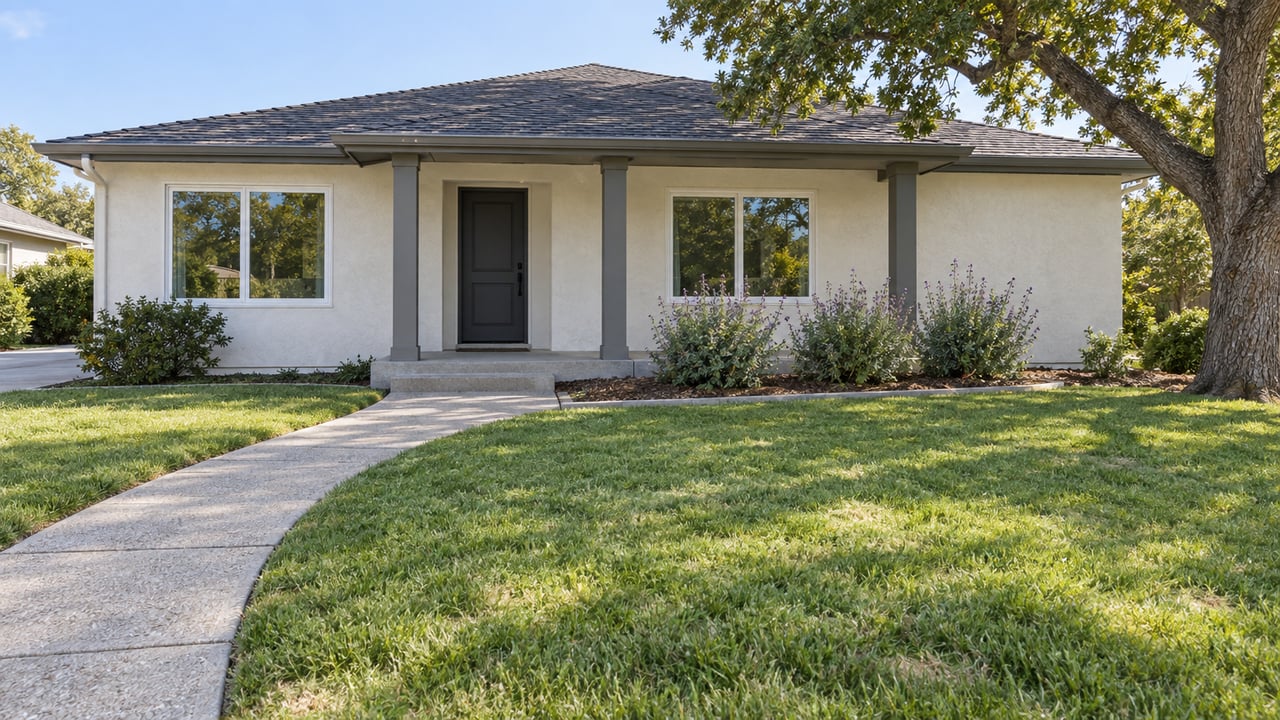
- Refreshing landscaping and entry areas
- Using professional photography and video
Step 7: Price From Local Comps
Pricing is one of the biggest decisions you will make. Price too high and you may sit longer than necessary. Price accurately and you put yourself in a better position to attract serious buyers early.
Because Fairfield values vary significantly by area, neighborhood-level comparable sales are critical. A home in one part of Fairfield should not be priced by borrowing numbers from a very different pocket of the city. The local spread shown in Zillow’s neighborhood value estimates makes that clear.
The goal is not just to pick a number that sounds good. The goal is to price where buyers see value, where your condition supports the number, and where your launch strategy has room to work.
Step 8: Launch With Clean Execution
When your home goes live, everything should already be in place. That includes disclosures, photography, pricing strategy, showing readiness, and a communication plan for buyer activity.
This matters because late disclosures can create risk. Under California Civil Code disclosure timing rules, if disclosures are delivered after an offer is signed, the buyer gets a limited right to terminate: 3 days after personal delivery or 5 days after delivery by mail or electronic means. Early prep can help avoid that disruption.
In short, a complete launch plan is often better than a rushed listing. Fairfield sellers benefit when the home is ready from day one.
Step 9: Review Offers Carefully
The best offer is not always the highest number. You also need to look at financing strength, contingencies, closing timeline, and how likely the buyer is to actually get to the finish line.
When reviewing offers, pay attention to:
- Purchase price
- Down payment and financing terms
- Contingency periods
- Requested credits or repairs
- Proposed closing date
- Buyer flexibility if issues come up
This is where experienced negotiation matters. A strong review process helps you compare the real value of each offer, not just the headline price.
Step 10: Move Through Escrow and Closing
Once you accept an offer, escrow begins. The California Department of Real Estate describes escrow as a neutral third party that holds documents and funds until the written conditions of the transaction are met. You can learn more in the DRE consumer guide to escrow.
The closing process includes document collection, title review, payoff coordination, signatures, and final recording. The Consumer Financial Protection Bureau’s closing overview explains that the settlement agent, often a title or escrow company in western states, prepares transfer documents, disburses funds, and records the deed and related documents.
This is also the stage where small issues can cause real delays. Missing signatures, unresolved title items, payoff changes, or unanswered disclosure questions can all affect closing. The DRE escrow brochure recommends reviewing the preliminary title report and asking for an estimated closing statement early so you can anticipate liens, credits, and net proceeds.
In Solano County, the final recording step connects directly to the local public record. The Solano County Recorder Division maintains official real property records and outlines recording requirements.
Why a Step-by-Step Plan Works
Fairfield sellers do best when they treat the sale as a sequence, not a scramble. The market still rewards accurate pricing, thoughtful preparation, strong visuals, and clean coordination from listing through closing.
That is especially true if your home needs repairs, you are selling from out of the area, or you want help managing vendors and timelines. A detailed plan can reduce stress, protect your timeline, and help you make better decisions at every stage.
If you are thinking about selling in Fairfield and want a practical plan tailored to your home, connect with JohnsonGroupCA. You will get experienced guidance, strong communication, and a seller-focused approach built to protect your interests from prep to closing.
FAQs
What is the first step to selling a home in Fairfield?
- The first step is to build a clear strategy for timing, pricing, home condition, and disclosure preparation before your home goes on the market.
How should you price a home in Fairfield, CA?
- You should price your home using nearby comparable sales and neighborhood-level market data, since Fairfield home values can vary widely by area.
What disclosures do Fairfield home sellers need in California?
- Many sellers need a Transfer Disclosure Statement, and depending on the property, they may also need lead-based paint disclosures, natural hazard disclosures, and newer California advisories related to electrical systems and gas-powered appliances.
Should you stage your Fairfield home before listing?
- Staging can help, especially in the living room, primary bedroom, and kitchen, and national data shows it may reduce time on market and improve buyer offers.
What can delay escrow when selling a Fairfield home?
- Common delays include title issues, missing documents, payoff problems, unresolved disclosure questions, and incomplete signatures during closing.
When are disclosures best delivered in a Fairfield home sale?
- Disclosures are usually best prepared and delivered early, because late delivery can give buyers a limited right to cancel after the contract is signed.